
Winter here is not one condition, it is four: dry cold, wet snow, freezing rain and the slush-then-ice cycle that follows every thaw. Each one asks something different of the vehicle.
Preparation is not complicated, but the timing matters — everything on this list is easier and cheaper to do in November than in January.
Traction first
Winter tires on all four corners is the one change that transforms cold-weather driving, and it is worth doing before the first storm rather than after it. Check pressures at the same time: air contracts as the temperature drops, and a tire that was correct in September is likely several psi low by December.
Starting power
Cold thickens oil and cuts available cranking amps roughly in half. A battery that is merely weak in October is a no-start in January. Have the battery, alternator and starter draw tested before the first cold snap — the test takes minutes and it is the difference between a planned replacement and a tow.
Visibility
Replace blades that streak or chatter, and switch to a washer fluid rated to at least −40 °C — summer fluid freezes in the lines and on the glass exactly when you need it. Check that all lights work, clear snow off them before driving, and make sure the rear defroster grid is intact.
Brakes, fluids and the kit in the trunk
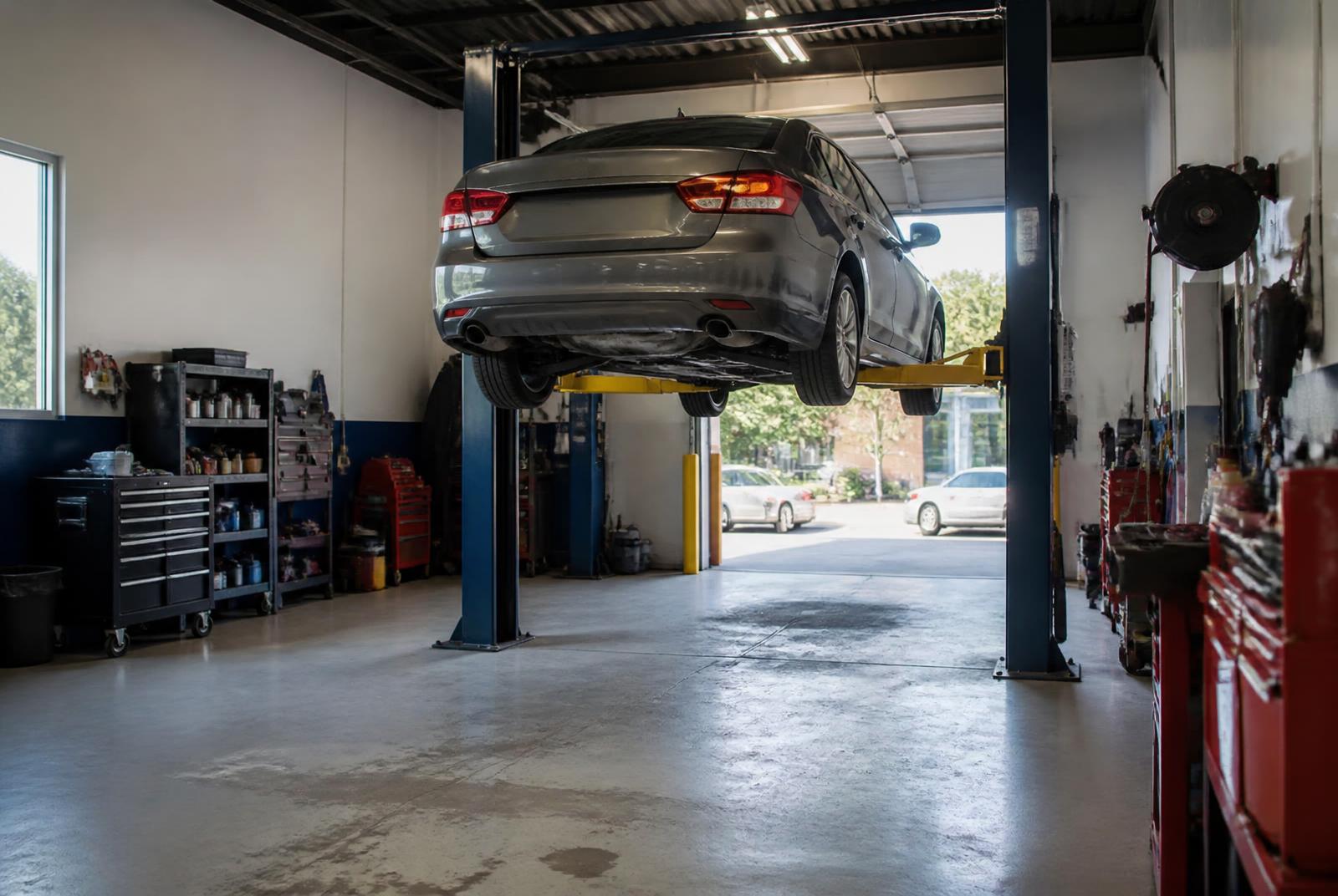
Salt is hard on brake hardware. Seized caliper slides and corroded lines are the two winter failures we see most, and both are visible on a hoist long before they become dangerous. Check coolant concentration for the temperature range, and top up oil with the correct cold-weather viscosity for your vehicle.
- Snow brush and a proper ice scraper, plus a small shovel
- Jumper cables or a charged jump pack
- Blanket, hat, gloves and boots — the trip you get stuck on is the one you dressed lightly for
- Sand or traction mats, a flashlight, and a phone charger
- Keep the fuel tank above half, which reduces condensation and buys you heat if you are stuck